Sind Werte grenzenlos?
Europa ist ein Kontinent voller Linien. Grenzen verlaufen durch Länder, Regionen, Kulturen und manchmal auch durch Familien. Über Jahrhunderte hinweg waren diese Grenzen Orte der Trennung, des Misstrauens und der Abschottung. Doch gleichzeitig waren sie immer auch Orte der Begegnung. Märkte, Pilgerwege, Klöster, Handelsrouten und Kirchen verbanden Menschen über Sprach- und Kulturgrenzen hinweg. Heute, im 21. Jahrhundert, stehen wir erneut vor der
Frage: Wie gestalten wir das Zusammenleben in einer Welt, die zwar global vernetzt ist, aber in vielen Köpfen noch immer geteilt bleibt?
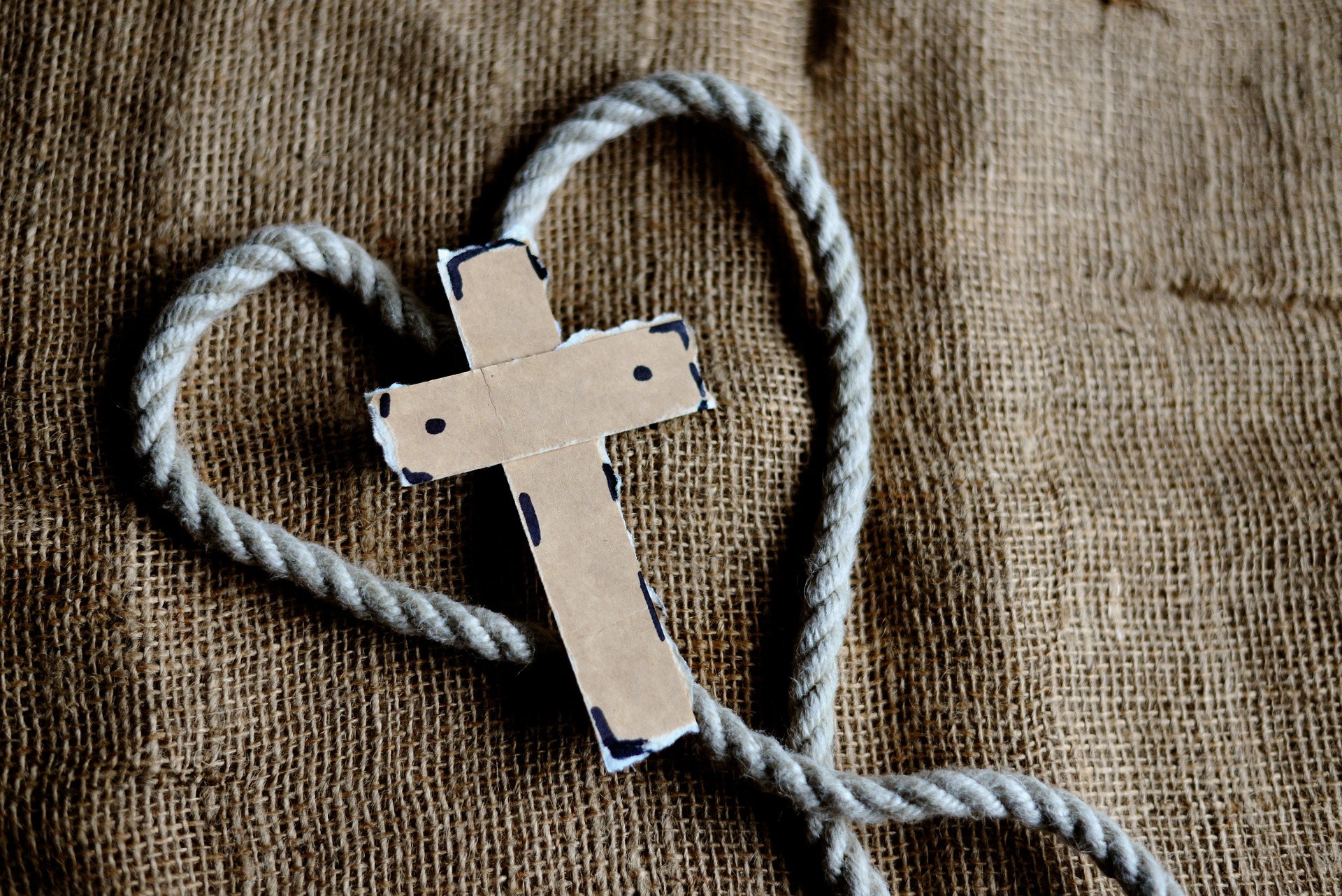
Christliche Werte können hier einen Kompass bieten. Sie sind kein historisches Relikt, sondern ein Fundament, das auch in säkularen Gesellschaften Orientierung gibt. Werte wie Nächstenliebe, Gerechtigkeit, Barmherzigkeit, Verantwortung und Solidarität sind keine exklusiven Glaubenssätze. Sie sind Prinzipien des menschlichen Miteinanders. Wenn wir über intergenerative Solidarität im grenzübergreifenden Kontext sprechen, geht es
genau darum: diese Werte praktisch zu leben.
Warum gerade jetzt? Weil unsere Gesellschaften gleichzeitig altern und sich kulturell verändern. Weil Einsamkeit, soziale Spaltung und Nationalismen wachsen. Weil Generationen Gefahr laufen, nebeneinander statt miteinander zu leben. Und weil Grenzen – trotz offener Schengen-Räume – wieder spürbarer werden, sei es durch politische Konflikte, durch Migrationsthemen oder durch wirtschaftliche Unterschiede.
Die Frage ist also nicht, ob christliche Werte und intergenerative Solidarität relevant sind, sondern wie wir sie bewusst neu beleben können.
Die Bedeutung der Generationenverbindung
Eine Gesellschaft, die ihre älteren Mitglieder nur als Pflegefall oder Kostenfaktor betrachtet, verliert ihre Wurzeln. Eine Gesellschaft, die ihre jüngeren Mitglieder überfordert oder ausbremst, verliert ihre Zukunft.
Intergenerative Solidarität bedeutet, dass beide Seiten Verantwortung füreinander übernehmen. Sie lebt davon, dass Erfahrung weitergegeben und gleichzeitig Neues zugelassen wird.
In christlicher Tradition war dieses Miteinander immer zentral. Familienverbände, Klöster oder Pfarren waren Orte, an denen Alt und Jung zusammenkamen. Der Glaube gab einen Rahmen, der nicht nur spirituell, sondern auch sozial wirkte. Heute ist dieses Gefüge oft brüchiger. Familien leben verstreut, religiöse Bindungen sind schwächer geworden. Doch das Bedürfnis nach Orientierung und Zugehörigkeit bleibt bestehen.
Gerade in Grenzregionen zeigt sich, wie stark diese Solidarität wirken kann. Wer in Kärnten, Friaul, Slowenien oder Ungarn lebt, weiß, dass Grenzen keine Mauern sein müssen. Viele Menschen haben Nachbarn, Freunde oder
Verwandte auf der anderen Seite. Feste, Märkte, Vereine und Kirchenfeste überschreiten oft schon lange die offiziellen Linien. Intergenerative Solidarität in diesem Umfeld bedeutet, dass sich junge Menschen von Traditionen inspirieren lassen und Ältere von neuen Ideen profitieren.
Christliche Werte im Heute
Grenzübergreifende Solidarität als Chance
Grenzräume sind mehr als Linien auf der Landkarte. Sie sind Laboratorien für Zusammenleben. Wer hier lebt, weiß um die Vorteile und Herausforderungen von Vielfalt. Ein grenzübergreifendes Projekt, das Jung und Alt zusammenbringt, kann weit mehr bewirken als reine Freizeitgestaltung. Es schafft Räume des Austauschs, der Erinnerung und der Hoffnung.
Ein Beispiel: Ältere Menschen erzählen ihre Kriegserfahrungen, während jüngere sie digital dokumentieren und zugänglich machen. Daraus entstehen Archive, die nicht nur Geschichte bewahren, sondern auch Dialog fördern. Ein anderes Beispiel: Grenzüberschreitende Besuchsdienste, bei denen Jugendliche aus Österreich ältere Menschen in Ungarn besuchen und umgekehrt. Sprache und spielerisches Miteinander werden dabei zur Brücke, nicht zum Hindernis.
Diese Initiativen zeigen, dass christliche Werte nicht an Konfessionsgrenzen Halt machen. Katholiken, Protestanten, Orthodoxe, aber auch Menschen ohne religiöse Bindung teilen die gleiche Sehnsucht: in Würde alt zu werden, gebraucht zu werden, verbunden zu bleiben.
Grenzen sind von Menschen gemacht. Solidarität ist von Herzen gewollt. Wer christliche Werte ernst nimmt, erkennt, dass Verantwortung nicht am Gartenzaun oder an der Staatslinie endet. Sie beginnt dort erst recht.
Intergenerative Solidarität im grenzübergreifenden Kontext ist mehr als ein Schlagwort. Sie ist die gelebte Antwort auf Einsamkeit, Ausgrenzung und Spaltung. Sie zeigt, dass die Würde des Menschen nicht von Alter, Herkunft oder Nationalität abhängt. Und sie macht deutlich, dass eine Gesellschaft, die auf Werten ruht, krisenfester, menschlicher und zukunftsfähiger ist.
Am Ende geht es nicht darum, perfekte Konzepte und Projekte zu entwickeln. Es geht darum, anzufangen.
Einen Besuch zu machen. Ein Gespräch zu führen. Eine Brücke zu bauen. Kleine Schritte, getragen von großen Werten. Denn wenn wir Verantwortung über Grenzen hinweg teilen, schaffen wir etwas, das stärker ist als jede Trennung:
Gemeinschaft mit Zukunft in einem friedlichen Europa!