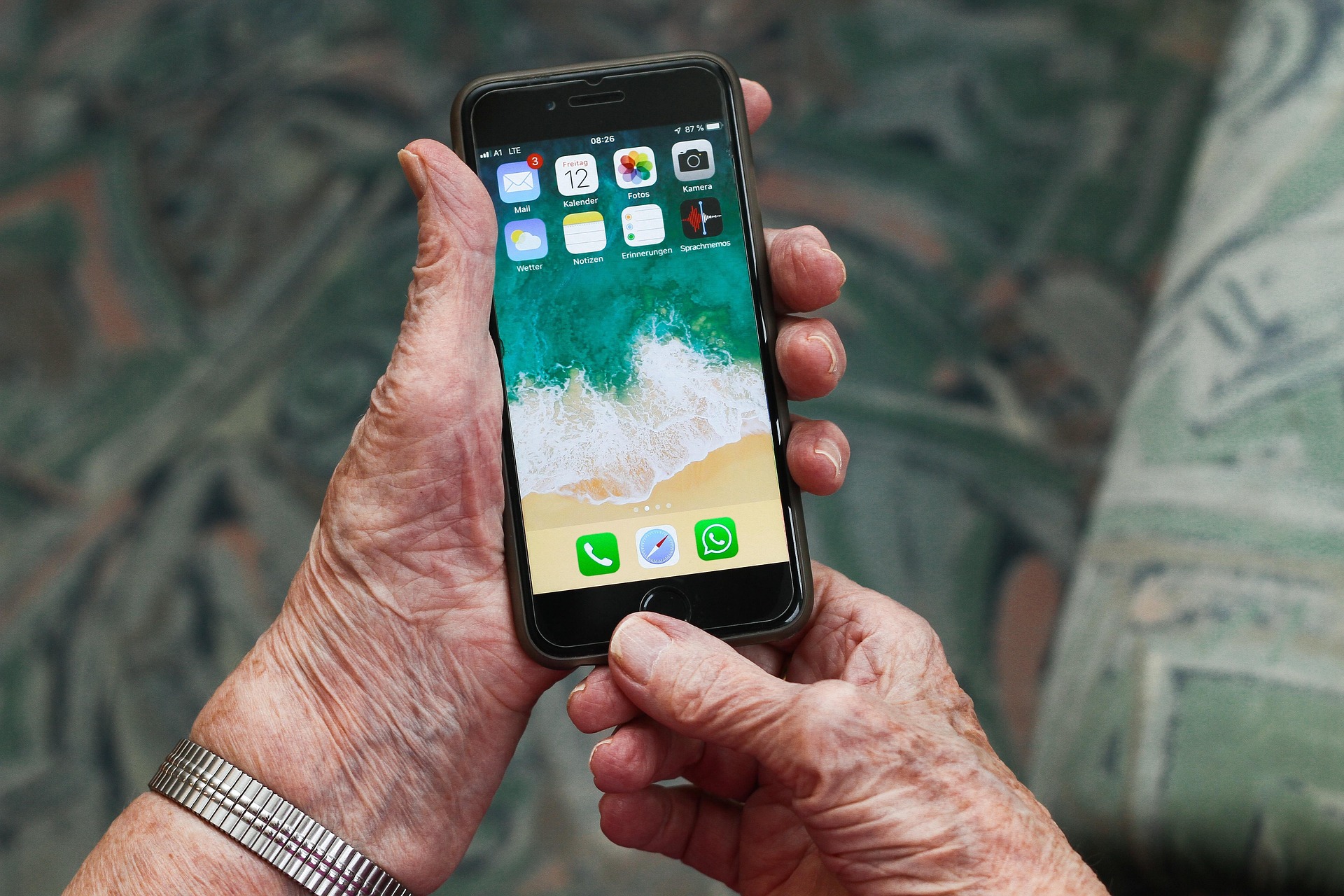
Wenn Menschen älter werden, verändert sich ihre soziale Welt. Freunde sterben, Partner fallen weg, Kinder leben an anderen Orten, das gewohnte Umfeld löst sich langsam auf. Für viele beginnt dann ein Leben in engeren Kreisen, manchmal auch in völliger Isolation. Besonders in ländlichen Regionen, wo Entfernungen groß und Angebote rar sind,
verstärkt sich dieser Rückzug. Doch die Einsamkeit ist nicht nur eine emotionale Erfahrung, sie ist ein Gesundheitsrisiko. Studien zeigen, dass Vereinsamung ähnliche Folgen haben kann wie Rauchen oder Übergewicht. Sie schwächt das Immunsystem, erhöht das Risiko für Depressionen und wirkt sich negativ auf die kognitive Leistungsfähigkeit aus.
Digitale Fähigkeiten bieten in dieser Situation einen Schlüssel, der nicht weniger wichtig ist als der Haustürschlüssel zur eigenen Wohnung. Sie öffnen Zugänge zu sozialen Kontakten, zu Information, zu Bildung, zu Kultur und
zu Unterstützungssystemen. Wer mit Smartphone, Tablet oder Laptop umgehen kann, hat die Möglichkeit, ein Stück Selbstbestimmung und Freiheit zu bewahren.
Doch gerade hier zeigt sich ein tiefer Graben. Während Jüngere selbstverständlich mit digitalen Medien aufwachsen, erleben viele ältere Menschen Technik als etwas Fremdes, Unnahbares, manchmal sogar Bedrohliches.
Der Gedanke, eine App herunterzuladen, sich in einer Online-Gruppe zu registrieren oder einen Videoanruf zu starten, wirkt einschüchternd. Oft fehlt es an geduldiger Begleitung, an verständlicher Sprache oder an Möglichkeiten,
in kleinen Schritten Vertrauen aufzubauen.
Digitale Welt und Teilhabe
Die Relevanz digitaler Fähigkeiten im Alter ist mehrschichtig. Sie betrifft das persönliche Wohlbefinden, die gesellschaftliche Teilhabe und die Frage, wie wir als Gemeinschaft mit der wachsenden Zahl älterer Menschen umgehen.
Digitale Fähigkeiten sind kein Luxus, sie sind ein soziales Grundrecht. Wer ausgeschlossen bleibt, verliert nicht nur
Unterhaltungsmöglichkeiten, sondern den Zugang zu wesentlichen Informationen.
Behördenwege, Gesundheitsangebote, soziale Dienste – vieles verlagert sich ins Internet. Wer hier nicht mitkommt, wird zum Zuschauer einer Welt, in der er doch eigentlich mitspielen sollte.
Warum ist gerade jetzt der richtige Zeitpunkt, dieses Thema ernst zu nehmen? Weil die Gesellschaft altert. In Europa wird der Anteil der über 65-Jährigen in den nächsten Jahren deutlich steigen. Gleichzeitig schreitet die
Digitalisierung in rasantem Tempo voran. Die Lücke zwischen jenen, die mithalten können, und jenen, die zurückbleiben, wächst täglich. Wenn wir jetzt nicht investieren, riskieren wir eine neue Form der Ausgrenzung, die schwerer wiegt als die räumliche Distanz: die digitale Isolation.
Lebenslanges Lernen, um am Ball zu bleiben und die Konsequenzen, wenn man es nicht tut...
Ältere Menschen, die keinen Zugang zur digitalen Welt haben, können nicht an Online-Arztterminen teilnehmen, keine Bankgeschäfte mehr selbstständig erledigen und verlieren den Kontakt zu Freunden und Familienmitgliedern, die sich längst über digitale Kanäle austauschen. Enkel schicken Fotos über Messenger, Treffen werden über WhatsApp organisiert, Informationen verbreiten sich in sozialen Medien. Wer hier nicht präsent ist, erlebt einen schmerzhaften Ausschluss, der das Gefühl von „nicht mehr dazuzugehören“ verstärkt.
Die Konsequenzen lassen sich in fünf Kernpunkten verdichten:
Verbunden bleiben – digitale Kompetenzen als Schlüssel zur Würde im Alter
Es reicht nicht, Geräte zu verteilen. Technik muss erklärt, geübt und begleitet werden. Am besten in vertrauten Umgebungen, mit klarer Sprache, wiederholten Übungen und geduldigen Helfern. Erfolgreiche Projekte zeigen, dass generationenübergreifendes Lernen besonders wirksam ist. Enkel, die Großeltern beim Umgang mit Smartphones
unterstützen, schaffen nicht nur Wissen, sondern auch Nähe. Ebenso wichtig sind ehrenamtliche Initiativen, die Schulungen anbieten, oder Gemeindezentren, die als Anlaufstellen dienen.
Die Förderung digitaler Fähigkeiten im Alter ist auch ein politisches Thema. Es braucht Strategien, die systematisch auf diesen Bereich eingehen. Digitale Teilhabe darf nicht vom Geldbeutel abhängen. Wenn Tablets und Internetanschlüsse zu teuer sind, dann bleiben die Vorteile ein Privileg weniger.
Ein weiterer Aspekt ist die psychologische Dimension. Viele ältere Menschen haben Angst, Fehler zu machen. Sie fürchten, etwas kaputtzumachen oder sich lächerlich zu machen. Diese Hemmschwelle ist ernst zu nehmen.
Schulungsprogramme sollten deshalb eine Kultur der Ermutigung vermitteln. Jeder Klick ist ein Schritt. Jede kleine Handlung ein Erfolg. Wer hier Anerkennung erfährt, baut Selbstvertrauen auf und entwickelt Freude am Entdecken.
Wir sollten auch die Chancen nicht unterschätzen, die digitale Räume speziell für ältere Menschen bieten. Virtuelle Gesprächsgruppen, Online-Selbsthilfegruppen oder digitale Erzählcafés schaffen Orte, an denen Erfahrungen geteilt werden können. Menschen, die geografisch weit voneinander entfernt leben, können miteinander in Kontakt treten. Gerade in der Phase, in der körperliche Mobilität abnimmt, eröffnet die digitale Welt einen zweiten Raum der Freiheit.
Es gibt dabei einen wichtigen Punkt: Digitale Fähigkeiten lösen Einsamkeit nicht automatisch. Sie sind kein Ersatz für persönliche Nähe, für eine Umarmung, für das gemeinsame Kaffeetrinken. Aber sie sind eine Brücke. Sie erweitern die Möglichkeiten, Kontakt zu halten, und können das Risiko von Isolation spürbar verringern.
Wenn wir auf die Zukunft blicken, dann müssen wir uns fragen:
Welche Gesellschaft wollen wir sein? Eine, die Menschen im Alter auf sich allein stellt, oder eine, die sie unterstützt, Werkzeuge zu nutzen, die Teilhabe ermöglichen? Die Antwort sollte klar sein.
Der Ausbau digitaler Fähigkeiten im Alter ist ein Beitrag zur Würde. Er zeigt, dass wir Menschen nicht auf ein Abstellgleis drängen, sobald sie älter werden, sondern dass wir sie weiterhin als aktive Mitgestalter sehen. Und er ist ein Beitrag zur Gerechtigkeit, weil er sicherstellt, dass Fortschritt nicht spaltet, sondern verbindet.
Am Ende geht es um etwas Einfaches: Niemand sollte im Alter das Gefühl haben, überflüssig oder
abgekoppelt zu sein. Wer Technik versteht, bleibt verbunden – mit anderen, mit der Gesellschaft, mit sich selbst.
Diese Seite verwendet Cookies um das Nutzererlebnis zu steigern.